Insight
Designing for the Future of Laboratories
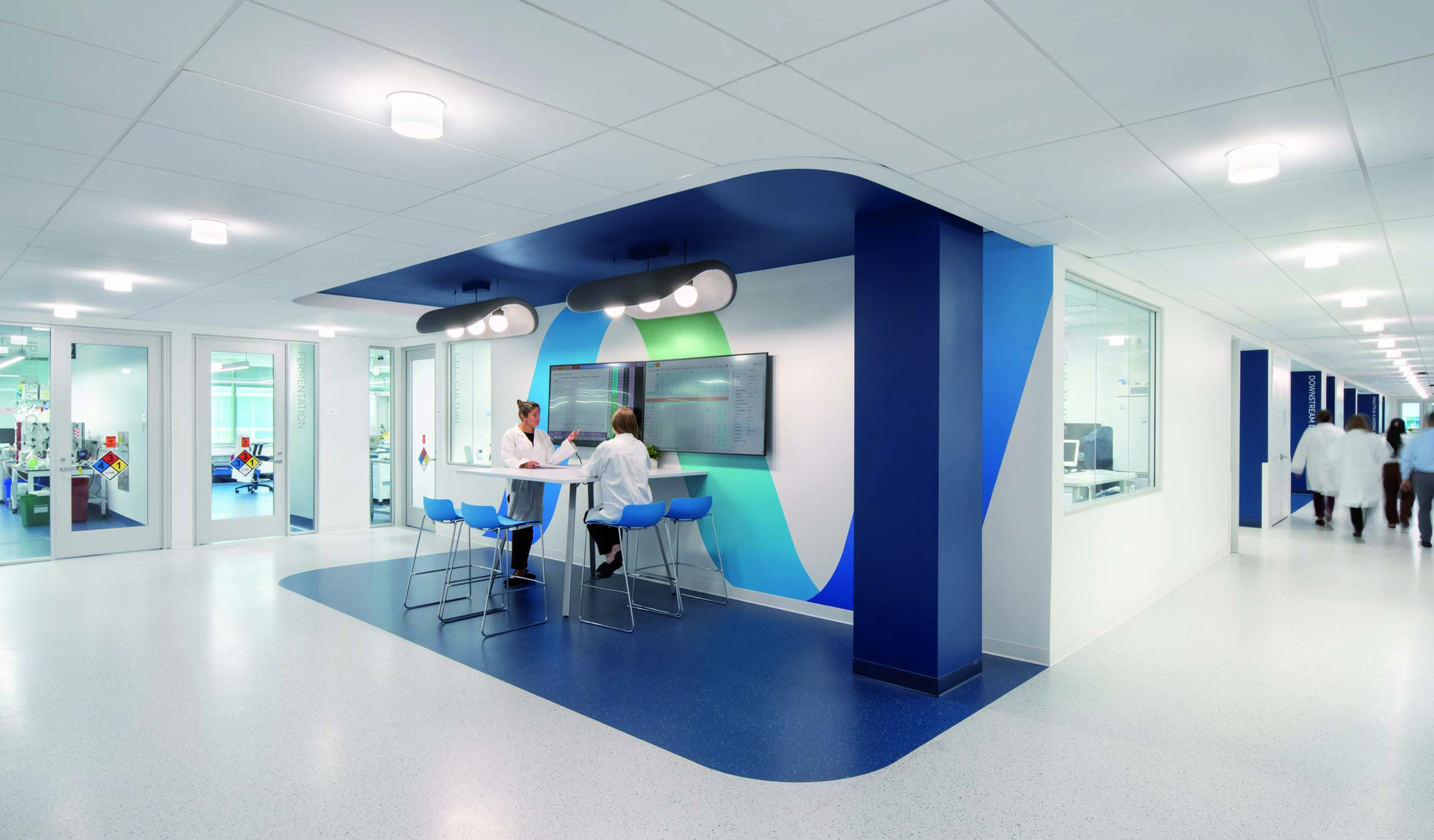
Laboratories are changing. As the nature of research evolves, so do the demands on the spaces where it takes place. Modern lab design must support a wide range of scientific work, often involving teams from different fields and tools that rely heavily on technology. The best spaces are those that can adapt quickly as research needs shift.
Flexible Layouts for Evolving Work
One of the biggest changes is the move toward more flexible layouts. Older labs were often built around fixed benches and permanent infrastructure which limited how teams could work or change direction. Today, many labs are being designed with movable workstations, modular storage, and utility systems that can be easily reconfigured. When a space can adjust to new methods or equipment without major renovation, research can move faster.
Technology is now a central part of the lab environment. As more instruments collect data automatically, and as teams rely more on digital tools to analyze results, the design of the physical space must support strong connectivity. Digital demands are shaping how buildings are planned, requiring environments that can handle growing technological needs while supporting the way people now work and communicate.
Improving Energy Performance
Energy performance is another area where expectations are shifting. Labs tend to use more energy than other types of buildings, mostly due to ventilation and equipment. New systems are helping lower that demand. With the introduction of new features such as better controls and designs that respond to changing occupancy patterns, energy use can be without compromising safety or performance.
Enhancing Researcher Experience
Lab design is placing greater emphasis on the day-to-day experience of researchers. The lab environment is increasingly expected to support the full scope of research activity, providing conditions that allow people to work effectively and engage with one another throughout the day. This shift is leading to spaces that feel better suited to the people who use them.
Safety Built Into Design
Safety remains essential, but the way it’s addressed is changing. Rather than separating safety from design, architects are working to make safe practices part of the overall flow. This involves creating spaces that are easier to navigate and understand, with layouts that naturally guide movement and reinforce safe practices throughout the lab.
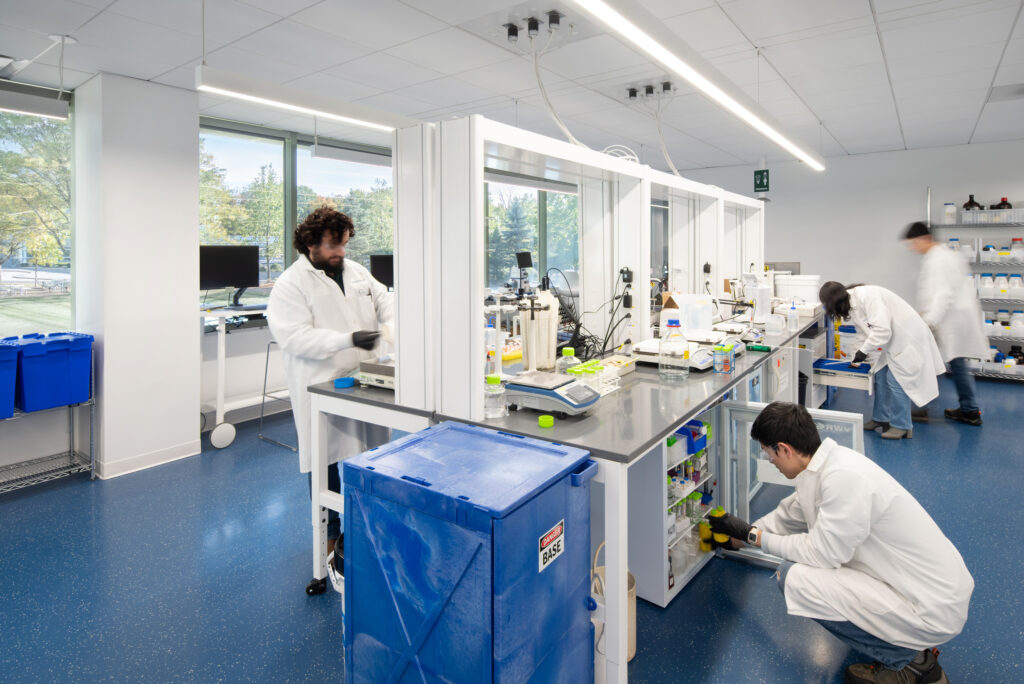
Avantor, Bridgewater, New Jersey
Labs That Grow With Science
As research continues to change, so must the spaces where it’s done. The future of lab design is less about fixed solutions and more about creating environments that stay useful over time. The most effective labs are built with change in mind, making it easier to integrate new tools and respond to evolving research practices.