Event
Beyond Pretty Pixels: What SIGGRAPH Reveals About the Future of Architectural Design
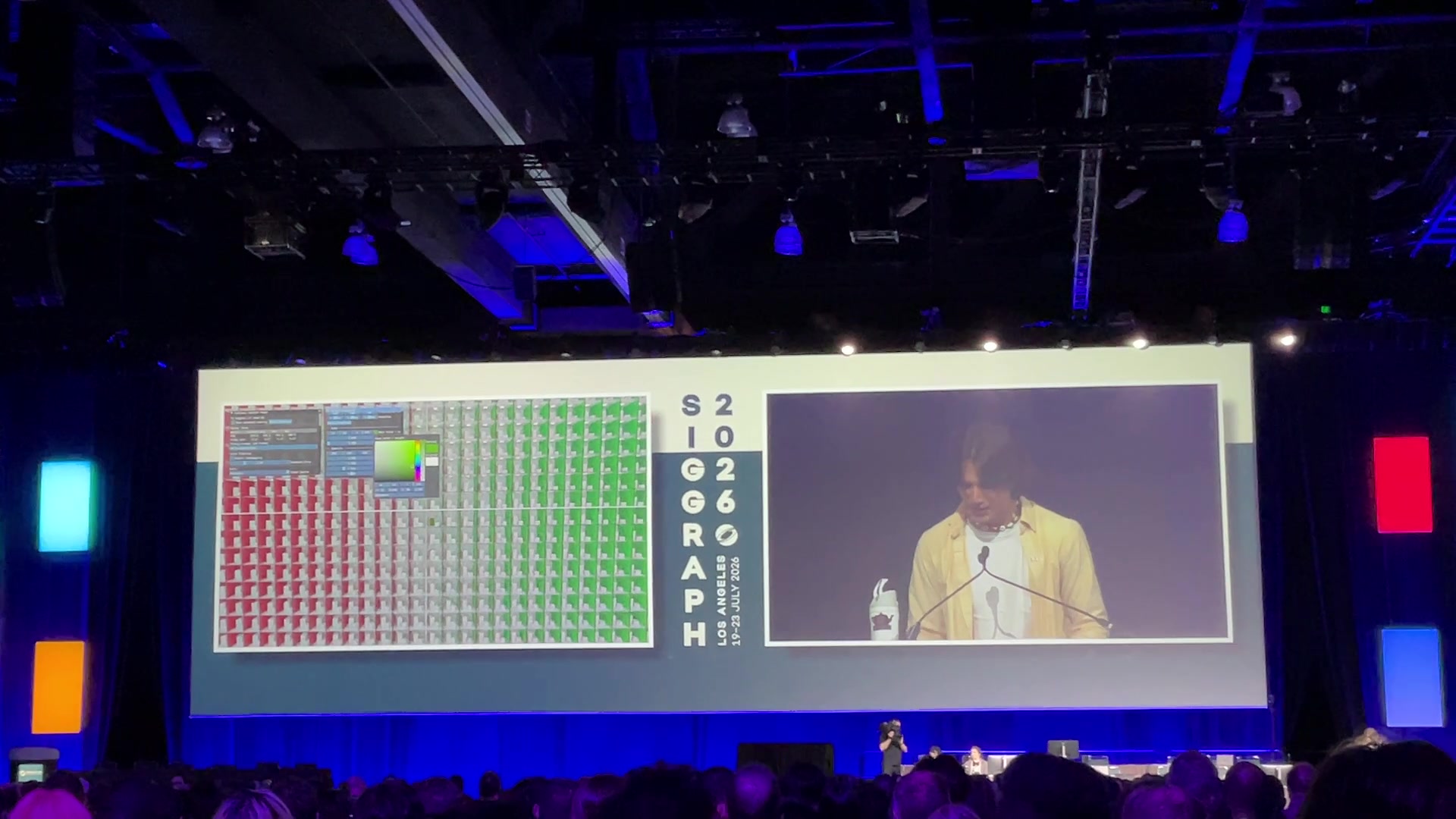
There are conferences you attend to learn about the present state of your profession, and others you attend because the future is being assembled there, often quietly and in fragments.
SIGGRAPH belongs to the second kind.
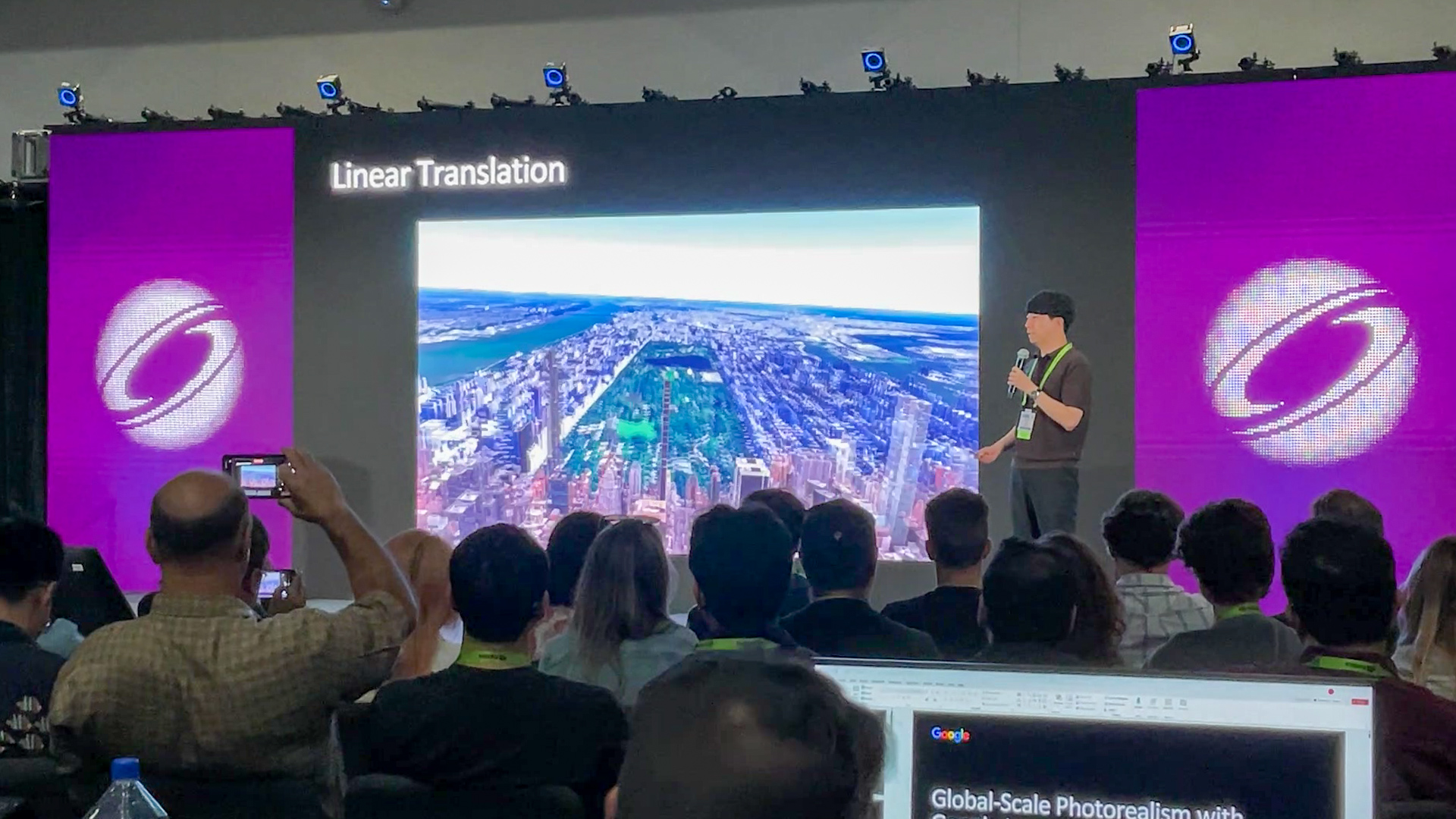
It is not, strictly speaking, an architecture conference. Its rooms are filled with computer scientists, artists, engineers, animators, roboticists, filmmakers, and people whose work sits uneasily between several of these categories. For decades, it has been one of the places where new approaches to computer graphics and interactive technology first appear – sometimes years before they become familiar features in the software we use every day.
That distance from architecture was precisely why I wanted to attend.
The tools we depend on as architects and designers do not emerge from an architectural vacuum. Our rendering engines, digital models, real-time walkthroughs, simulation tools, and increasingly our AI systems borrow heavily from research conducted elsewhere. Ideas migrate from film to gaming, from gaming to robotics, from robotics to architecture. By the time a technology arrives in our daily workflow, many of its assumptions have already been decided.
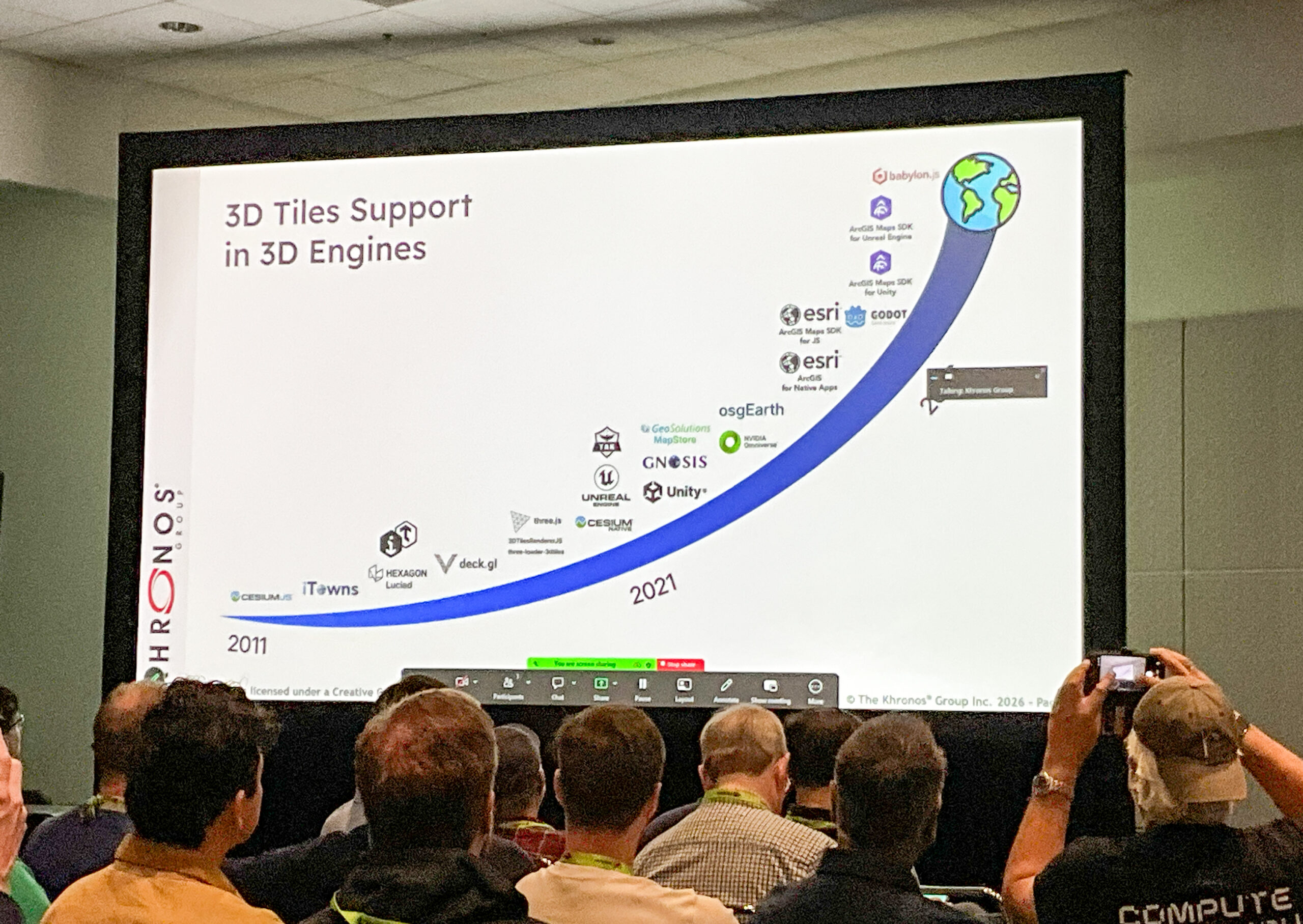
I went to SIGGRAPH to look upstream – to see what was being developed before it became another button in our software.
What I found was a field undergoing a rapid and important change. For many years, computer graphics has been preoccupied with the creation of convincing images. The ambition was to make the digital world look real: light should fall correctly, glass should reflect, fabric should fold, and surfaces should reveal their textures under close inspection.
That ambition has shaped architectural visualization as well. For years, we have pursued the perfect image, adding detail and atmosphere until the line between rendering and photograph becomes nearly impossible to see.
At SIGGRAPH, however, it seemed that this pursuit was no longer enough. The more consequential question was not how to make the digital world look real, but how to make it behave truthfully.

A Different Meaning of Realism
One of the recurring themes of this year’s conference was Physical AI, a term used for intelligent systems that must perceive, reason about, simulate, or act within the physical world.
The term can sound remote from architecture. It brings to mind robots, autonomous vehicles, or machines learning to navigate warehouses. But any intelligence that acts in the physical world must also understand space. It must know the difference between a door and a wall, between an open route and an obstruction, between an object that is fixed and one that can move.
It must understand that materials have weight, that surfaces create friction, that objects collide, and that a room changes when it becomes hot, crowded, bright, or noisy.
This makes Physical AI, at its core, an architectural problem.
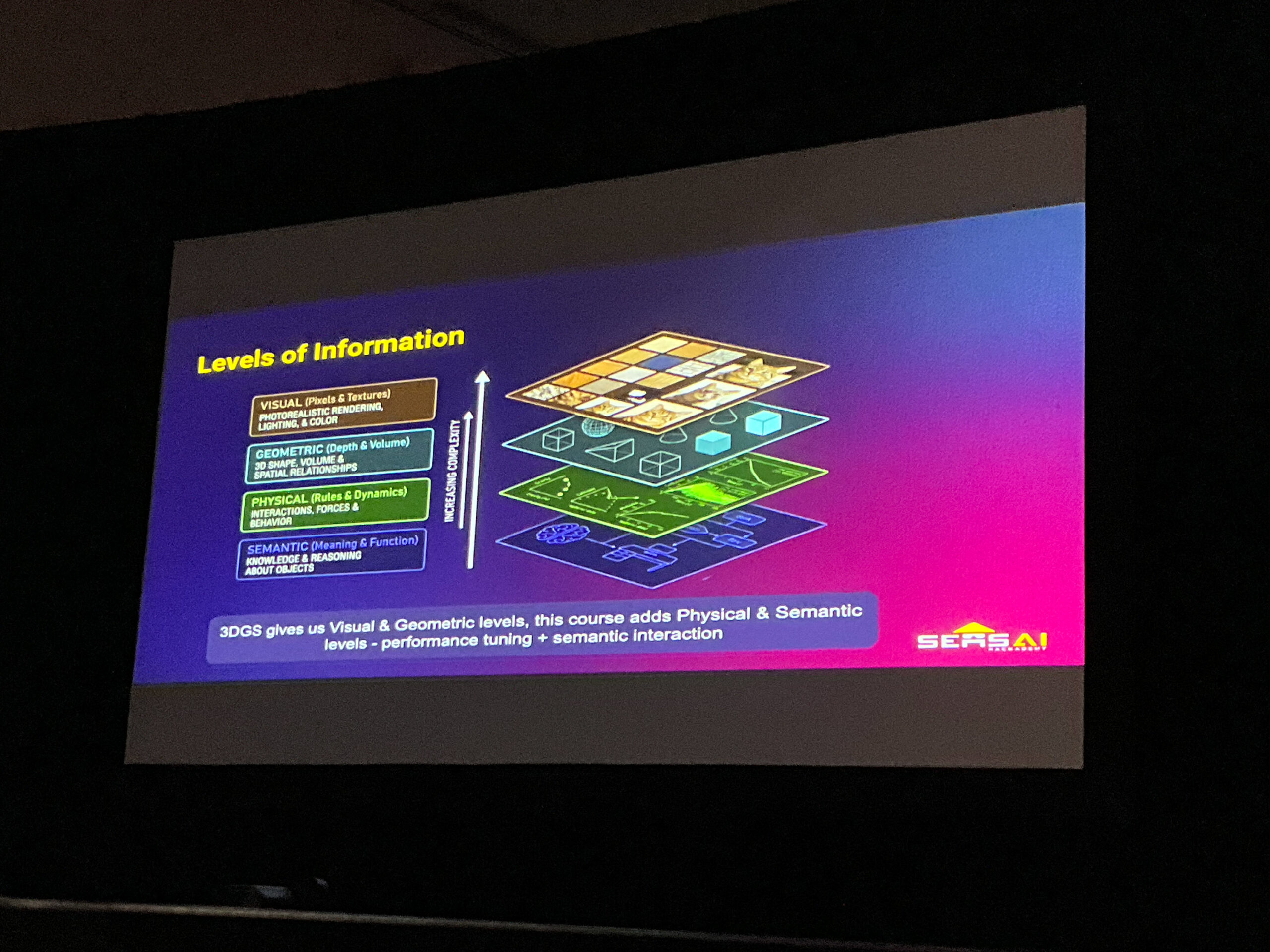
An AI system does not need a room to look beautiful. It needs the room to make sense. It needs accurate geometry and scale, but also meaning: this is a wall; this is glazing; this opening is traversable; this surface will reflect sound; this assembly will store heat.
It may also need to know where the information came from. Was a condition measured by a sensor? Was it inferred from photographs? Was it imported from a manufacturer? Or was it proposed by a designer?
Much of this information cannot be seen in a rendering. Indeed, the most important qualities of a space are often invisible. Thermal inertia has no obvious appearance. Neither does embodied carbon, structural capacity, acoustic absorption, or the confidence level of a digital survey.
This is the strange paradox at the center of the new form of representation: as our images become more visually convincing, the most valuable information may lie beneath the image.
For a long time, digital realism meant pixel perfection. Physical AI offers another definition. A model is realistic not merely because it resembles the world, but because it carries enough information to respond like the world.
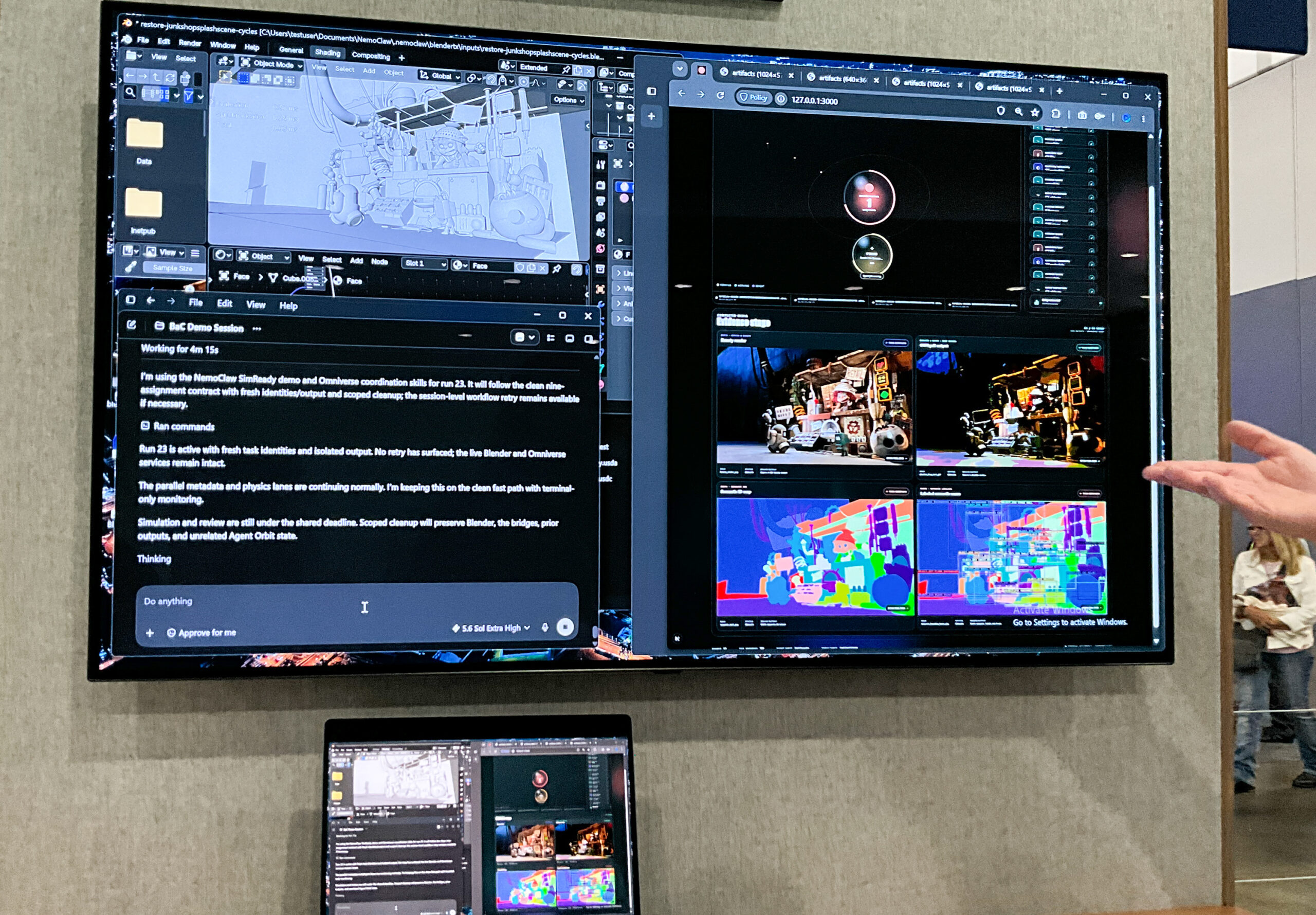
What Comes After the Rendering Arms Race?
Generative AI has already made polished images remarkably easy to produce. A few lines of text can create a seductive interior or an atmospheric building exterior in seconds. The result may not be spatially coherent or technically possible, but it can be visually persuasive.
This does not mean that architectural visualization has lost its purpose. Images remain essential instruments of communication, emotion, and persuasion. But their abundance changes their value. A polished image can no longer, by itself, serve as evidence of a resolved design.
When the production of visual surfaces becomes inexpensive, what becomes scarce is not beauty but integrity.
Does the space behind the image hold together? Are its dimensions consistent? Do its materials have meaningful properties? Could it be analyzed, edited, constructed, or operated? Can we distinguish what is known from what has merely been imagined?
Architecture has passed through similar changes before. Hand drawings once carried the architect’s intent through lines, hatches, and notation. CAD made those lines precise and repeatable. BIM attached information to geometry and turned the model into a coordination environment.
The next step may be the creation of spatial models that are not only informative but active – models capable of supporting continuous simulation, machine interpretation, operational feedback, and interaction with intelligent systems.
The architect’s role changes with each transition. We moved from drawing spatial outlines to coordinating project information. We may now be moving toward something broader: the authorship of intelligent environments.
An Old Problem Becomes More Urgent
There is, of course, a difficulty. Architectural information does not travel well.
A project may begin in Rhino, move into Revit, pass through several visualization tools, and then be rebuilt again for performance analysis. Geometry survives some of these transfers, but much of its meaning does not. Hierarchies flatten. Materials lose their properties. Parametric relationships disappear. Someone then reconstructs the missing information by hand.
When the design changes, the process begins again.
This has long been inefficient. In the context of Physical AI, it becomes dangerous. An intelligent system can produce a confident result from incomplete or degraded information. A simulation can look persuasive even when the environment beneath it is wrong.
The question of interoperability is therefore no longer simply about saving production time. It is about preserving meaning and establishing trust.
OpenUSD was one of the technologies at SIGGRAPH that seemed especially relevant to this problem. Originally developed by Pixar, it provides a way to compose complex digital scenes from multiple assets and layers without forcing every contributor to work inside a single monolithic file.
Its importance is not that it already solves BIM interoperability or automatically creates simulation-ready buildings. It does neither. Its significance lies in the structure it proposes: different sources of information can remain distinct while participating in a shared environment. Geometry, materials, lighting, simulation data, and specialist contributions can be referenced, varied, and updated without continually flattening the whole scene.
For architecture, this suggests the possibility of a less destructive exchange of information. The same environment might eventually support design, visualization, performance analysis, construction planning, and operation, while allowing each discipline to maintain responsibility for its own contribution.
It is still an emerging possibility rather than a finished workflow. But it offers a glimpse of what a more connected design ecosystem could become.
Capturing the World – and Admitting What We Do Not Know
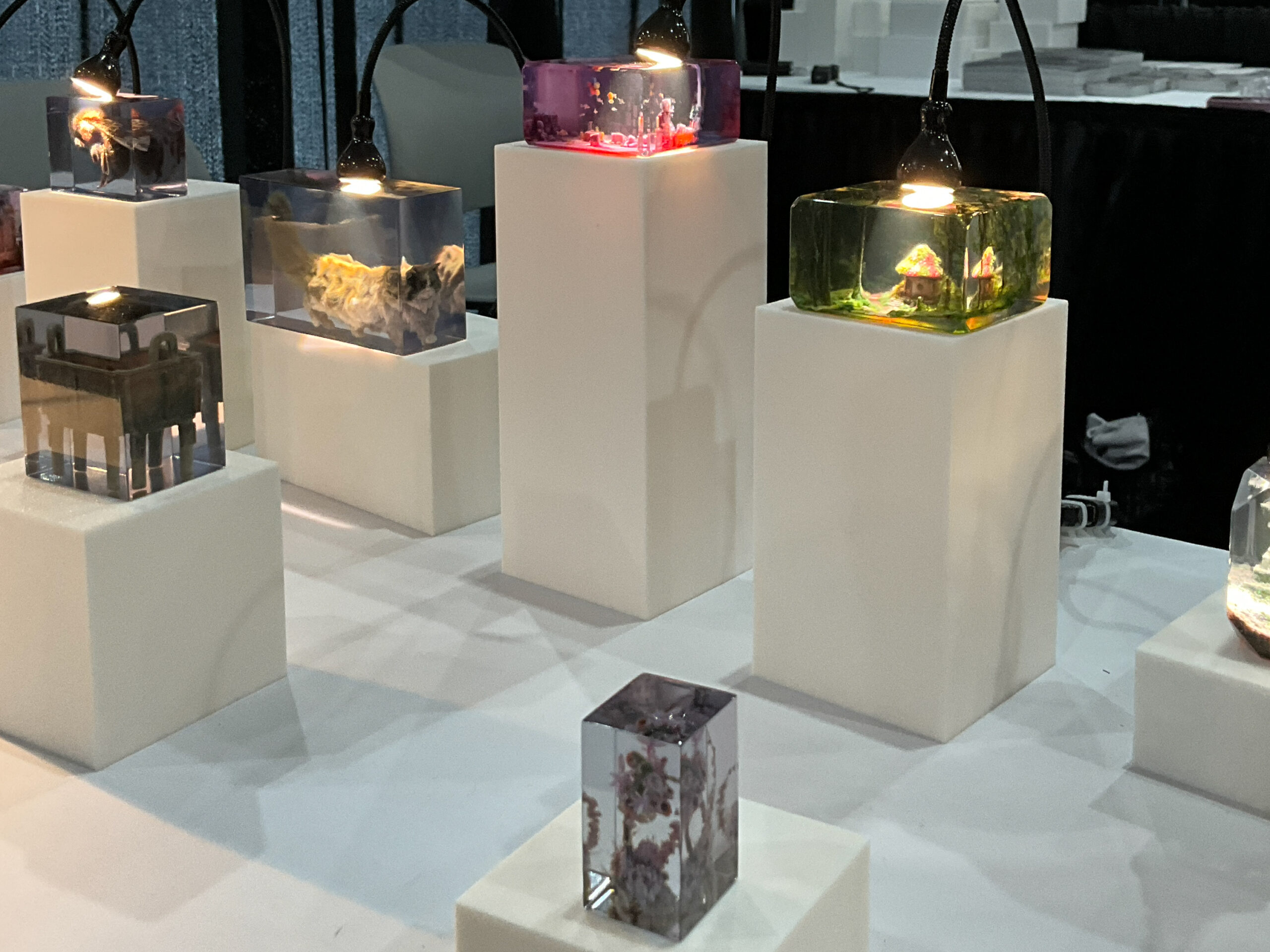
Gaussian splatting was another prominent area of experimentation. The technology can reconstruct an environment from photographs or video and render it with striking visual richness in real time.
For architects, the appeal is immediate. Existing conditions might be captured more quickly and experienced with a vividness that conventional surveys often lack.
But the beauty of the reconstruction can also be misleading. A photographic scene does not necessarily know what it contains. It may show a wall without understanding its assembly. It may reconstruct a shadow as if it were part of a surface. It cannot reveal a concealed condition simply because the visible image looks complete.
The most interesting future, therefore, is not one in which photographic capture replaces architectural modeling. It is one in which captured, inferred, and authored information can coexist without being confused.
A useful spatial twin should be honest about its own uncertainty. It should tell us which conditions were measured, which were reconstructed from images, which were predicted by AI, and which remain unknown.
The Return of the Hand
Not everything I saw pointed toward greater automation. Some of the most compelling research suggested a return of control to the designer.
Language is an awkward instrument for describing space. It can evoke atmosphere, but it struggles with proportion, adjacency, and composition. A designer may communicate an idea with three uncertain lines on tracing paper, then spend several paragraphs failing to describe the same thing to an image model.
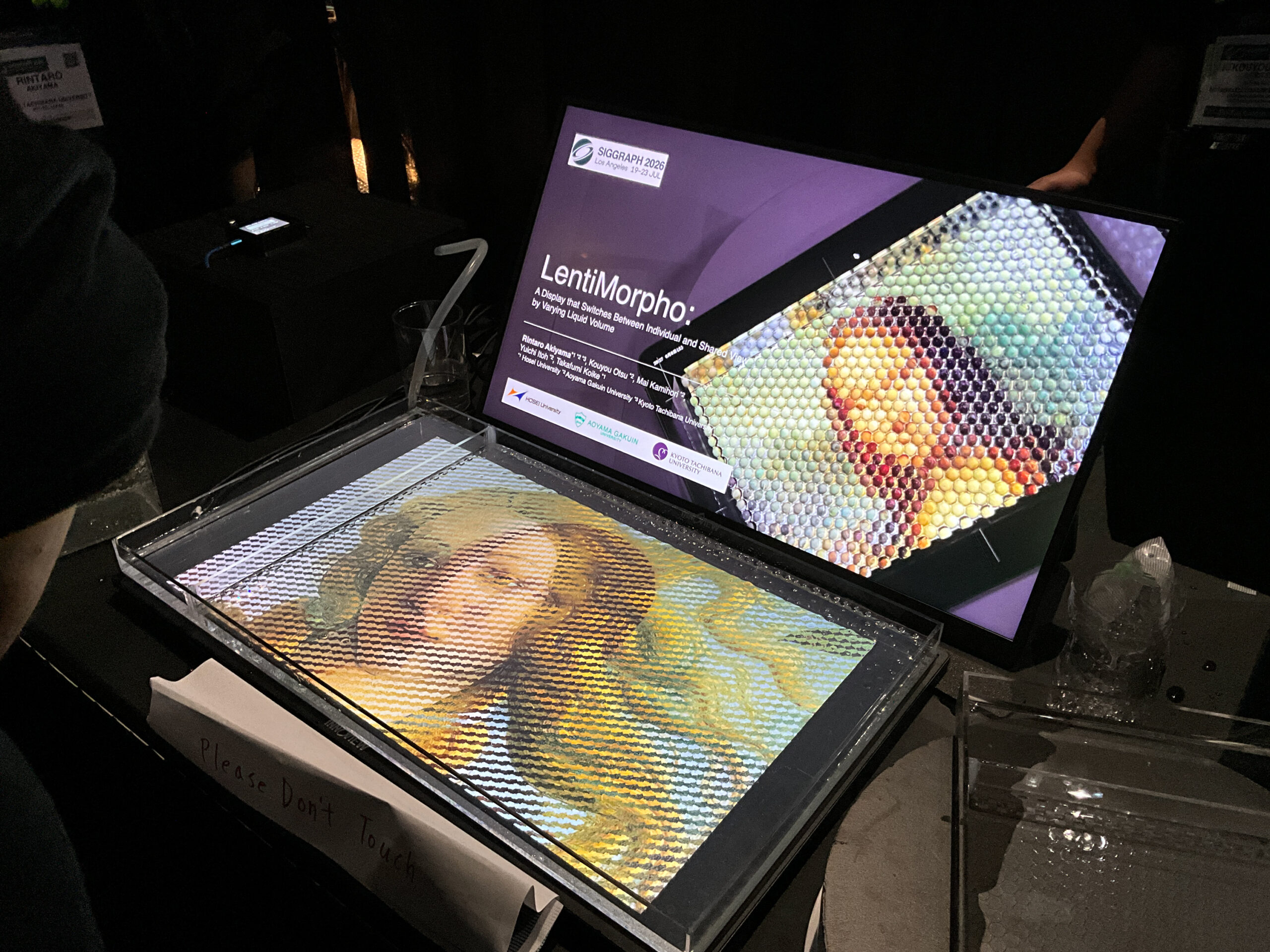
Several SIGGRAPH papers explored more intuitive forms of control. Colorful-Noise (https://arxiv.org/abs/2605.00548) allows broad color and composition to guide image generation. Canvas-to-Image (https://snap-research.github.io/canvas-to-image/) lets users arrange references, poses, and spatial boundaries on a visual canvas. Both suggest that designers could establish relationships directly instead of trying to encode everything in a prompt.
Inspiration Seeds (https://kfirgoldberg.github.io/InspirationSeeds/) goes further by treating AI as a partner in early ideation. Given two visual references, it generates non-literal combinations that reveal unexpected connections between them. The aim is not to execute a finished idea, but to help the idea emerge.
Other research examined movement between representations. CLIPasso (https://clipasso.github.io/clipasso/) turns an image into a vector sketch at varying levels of abstraction, while 2D Gaussian Splatting for Bézier Spline Line Art Vectorization (https://studios.disneyresearch.com/2026/07/16/2d-gaussian-splatting-for-bezier-spline-line-art-vectorization/) converts line art into editable curves. A sketch is no longer merely an image; it becomes a computational form of intent.
The same shift is reaching spatial design. HOG-Layout https://arxiv.org/abs/2604.10772) explores how written instructions can generate and edit structured 3D scenes, while Raster2Seq (https://arxiv.org/abs/2602.09016) reconstructs raster floor plans as labeled, editable polygons.
Together, these papers suggest a future beyond prompt-driven automation. The designer composes, sketches, and sets constraints; the machine generates variations and translates between representations.
The hand returns, not as nostalgia, but as intention.
Why This Matters to Us
It would be easy to interpret these developments as one more technical burden for architects. Our models already contain too much information, our workflows already involve too many platforms, and project teams already spend a great deal of time coordinating data.
But Physical AI may also offer a way to resolve a disconnect that has persisted for years.
Building-performance analysis is often treated as something applied after a design has taken shape. Geometry is rebuilt for energy modeling. Materials are reassigned. Acoustic, daylight, or thermal studies arrive as separate reports, sometimes too late to influence the decisions that matter most.
If our design environments become richer and more interoperable, performance analysis could move closer to the act of designing. Feedback about solar gain, airflow, acoustics, energy, or embodied carbon could appear while options remain fluid, rather than after they have hardened into commitments.
This is not guaranteed by any single technology. It will require standards, careful modeling, new skills, and collaboration across disciplines. But the alignment is striking. Physical AI needs environments with geometry, semantics, material properties, and physical behavior. Building-performance practice has been asking for much of the same information.

Beyond the Image
I left SIGGRAPH thinking less about machines replacing designers than about the limitations of the image.
Architecture has never been only what can be seen. A building is also heat moving through an assembly, sound fading across a room, people finding their way through a corridor, materials aging, systems responding, and decisions leaving consequences long after an image has served its purpose.
Generative AI can now produce beauty with extraordinary ease. That may be liberating. It allows us to spend less time treating polished imagery as the final proof of intelligence.
The harder and more valuable task is to create environments that carry meaning: environments that can be understood, tested, trusted, and eventually inhabited.
The future of architectural representation will not be decided by who can produce the prettiest pixels. It will be decided by who can give the digital world enough truth to behave like the physical one.