Insight
What Is Biomimicry?
Biomimicry is a design approach that looks to nature for solutions. Rather than inventing entirely new systems from scratch, it begins by asking how living organisms have already solved similar problems. In the natural world, every form and function has evolved through constant testing over time. When studied closely, these natural patterns can inform more thoughtful approaches to solving design challenges across a range of disciplines.
Biomimicry does not simply imitate appearance. It draws from how nature works—how organisms build, adapt, and survive using limited resources in complex environments.
Design That Learns From Nature
In biomimicry, a designer examines how nature responds to challenges, using those observations to shape solutions that are efficient and well-adapted to their context. This might mean looking at how a leaf collects water or how termite mounds regulate temperature. The goal is not to copy the form but to understand the process behind it.
This approach encourages efficiency and resilience. Natural systems tend to be balanced and responsive, which makes them valuable references for projects that aim to reduce waste, conserve energy, or improve performance under stress.
Applications in the Built Environment
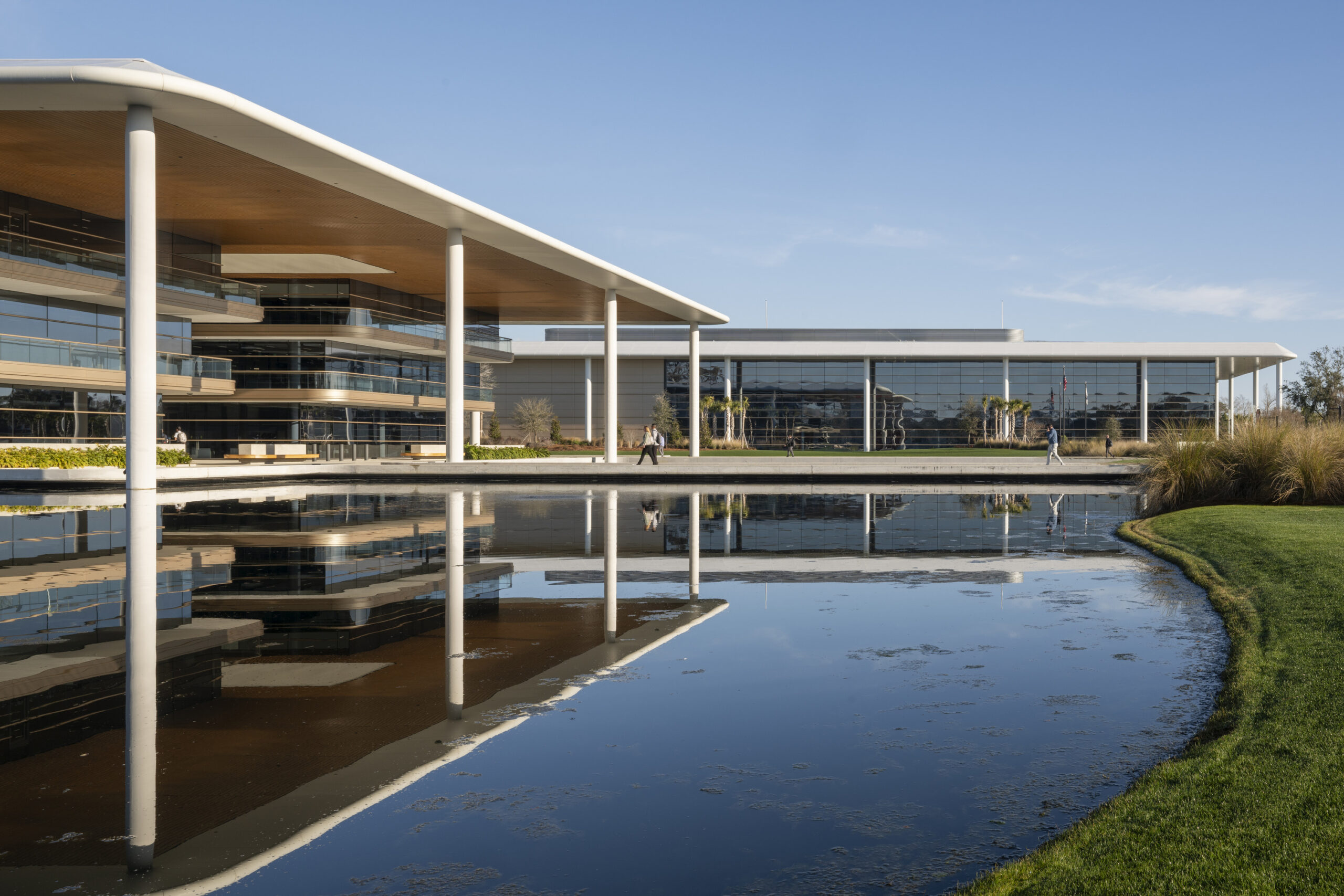
In architecture, biomimicry can shape how buildings respond to their environment by drawing on natural strategies for comfort and efficiency. Some façades are designed to respond to sunlight the way certain plants track the sun. Others mimic the self-cooling behavior of desert insects or the strength and lightness of bird bones.
These ideas are carried into the design process in ways that help buildings function more effectively as conditions change over time. They also promote a deeper connection between the built environment and the ecosystems around it.
More Than Inspiration
Biomimicry is not about decoration or surface references. It is a method of problem-solving that depends on close observation and curiosity. By looking to nature, designers open up new ways of thinking and often uncover solutions that are both elegant and efficient. This process also encourages long-term thinking. Nature builds with awareness of cycles and limits, which offers a useful perspective for sustainable design.
Design With Nature in Mind
Biomimicry offers a way to bring natural intelligence into the design process. It encourages teams to pay closer attention to how life thrives in complex conditions and to apply that understanding to the design of more responsive and enduring systems. As the challenges facing design grow more complex, nature remains one of the most powerful sources of insight available.