Insight
The Future of Architecture in the Age of Climate Change
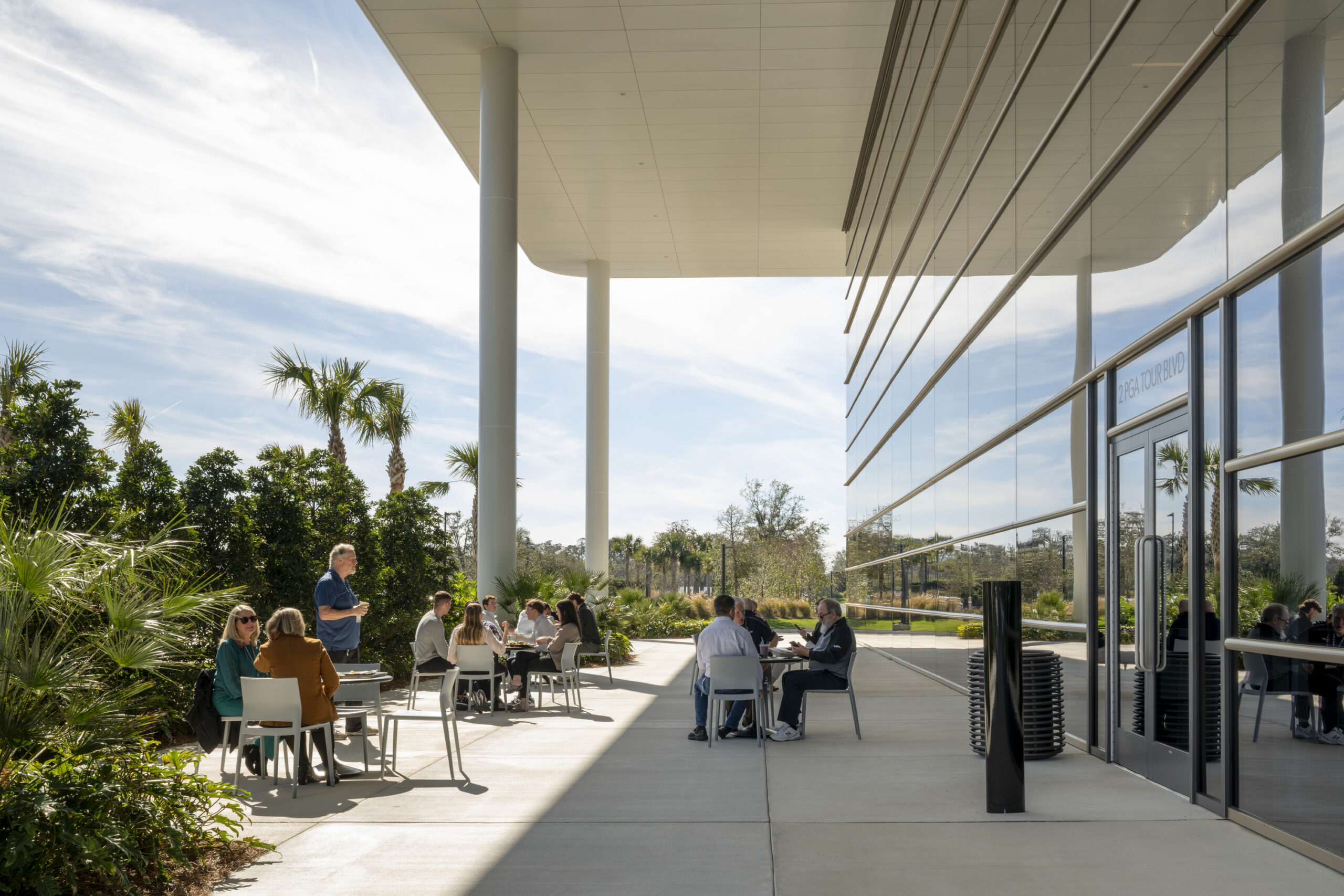
Architecture is being shaped by climate change in direct and lasting ways. More specifically, rising temperatures, resource scarcity, and shifting regulations are challenging long-held design practices. As risks grow, architects are being asked to create buildings that reduce impact, protect occupants, and support long-term resilience. This shift is not temporary and will change how projects are planned, designed, and built across every sector.
Designing for Resilience
Resilience is now a key focus when designing new buildings. In other words, buildings must be able to respond to extreme weather and changing site conditions. This includes elevating ground floors, managing water on site, and designing structures that remain safe during outages.
Designers are looking for materials and systems that can recover quickly and require less energy to maintain during a crisis. Backup power, flexible systems, and passive design features are all being used to keep buildings functional and its occupants safe during disruption.
Reducing Environmental Impact
Architecture is also being asked to reduce its role in climate change. Buildings account for a large share of global emissions and in order to lower that number, teams are focusing on energy efficiency, low-carbon materials, and better construction practices.
This includes reducing both operational carbon, the energy used to run a building, and embodied carbon, which comes from the production and transport of materials. The goal is to design buildings that perform well today and remain adaptable in the future.
Local Thinking and Global Pressure
While climate change is a global issue, its effects are often local. The design response must reflect each region’s climate and infrastructure. This means there is not a single catch-all solution that works globally and what works in one city may not work in another. Designers are beginning to study local ecosystems and weather patterns more closely to guide material choices and system design.
At the same time, there is growing pressure from policies and clients to deliver climate-conscious results. New regulations and reporting standards are shaping how buildings are approved and evaluated.
A New Direction for the Profession
The future of architecture will require a different mindset. Success will depend on how well buildings perform over time and how they respond to a changing world. This will involve collaboration, new tools, and a stronger link between design and impact.
In the age of climate change, architecture must do more than meet today’s needs. It must prepare for what comes next and help shape a more stable and livable future.