Insight
Inclusive Interior Design
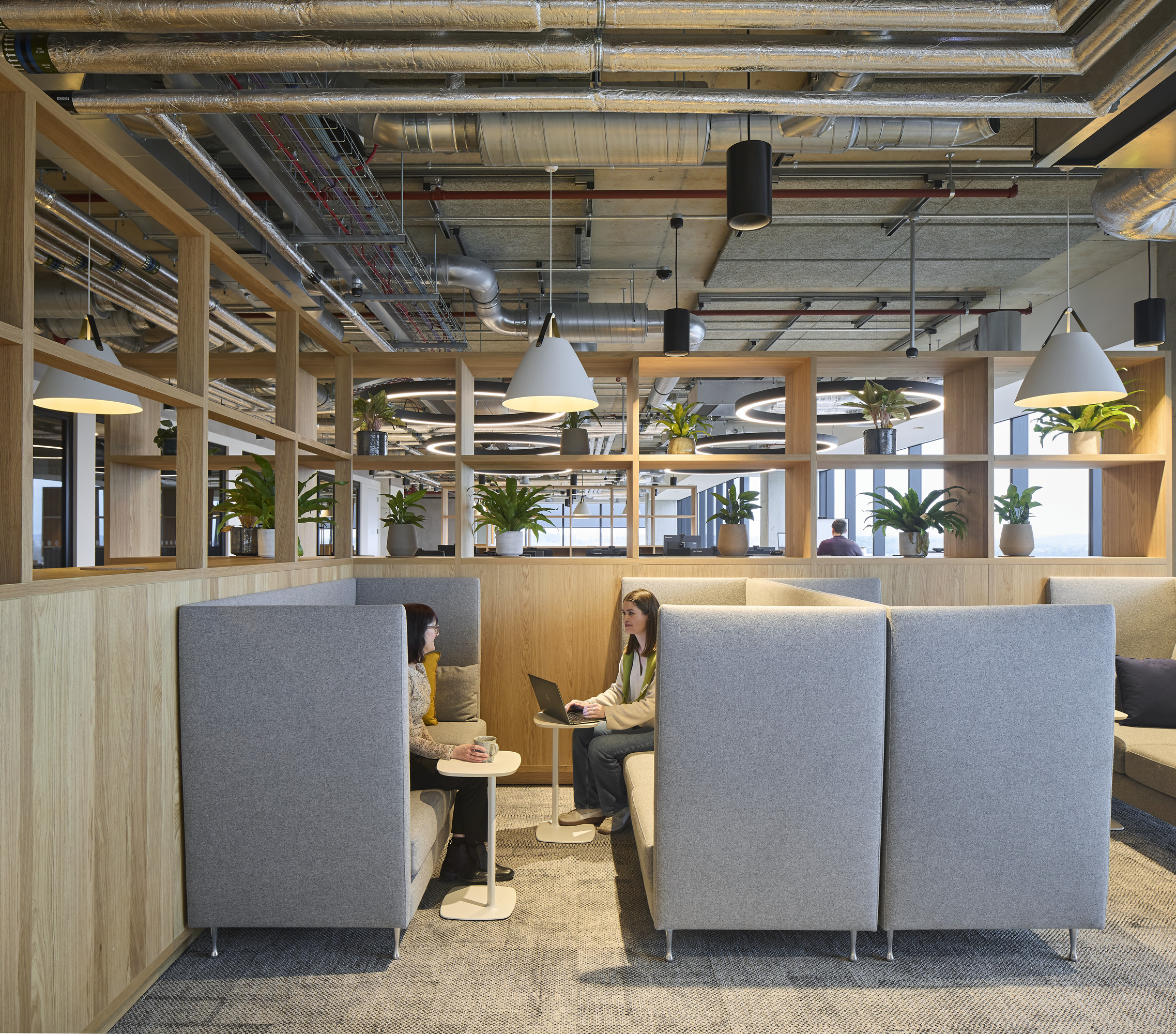
Inclusive interior design focuses on making spaces usable and welcoming for as many people as possible. It considers different physical abilities, sensory needs, and cultural backgrounds. Rather than designing for an average user, inclusive design aims to serve a broader range of people from the start.
Physical Access and Usability
The design of a space should allow people to move through it easily, regardless of mobility or physical strength. This means including design choices such as clear circulation paths, low-threshold entrances, accessible door hardware, and appropriate furniture dimensions. It also requires careful attention to how people move through and interact with the space, ensuring that everyday tasks can be done comfortably and without obstruction.
In some settings, these features are required by code. In others, they are often overlooked. Treating them as part of the design process, rather than as an afterthought, improves comfort and access for everyone.
Supporting Sensory Needs
People experience space through light, sound, and texture. A loud, bright room may work well for some, but can be overwhelming for others. Inclusive design considers a range of sensory responses. Acoustic treatments, lighting controls, and material choices can help create environments that are easier to use for people who process sensory input differently. These considerations are especially important in spaces where extended time is spent, affecting users’ focus and well-being.
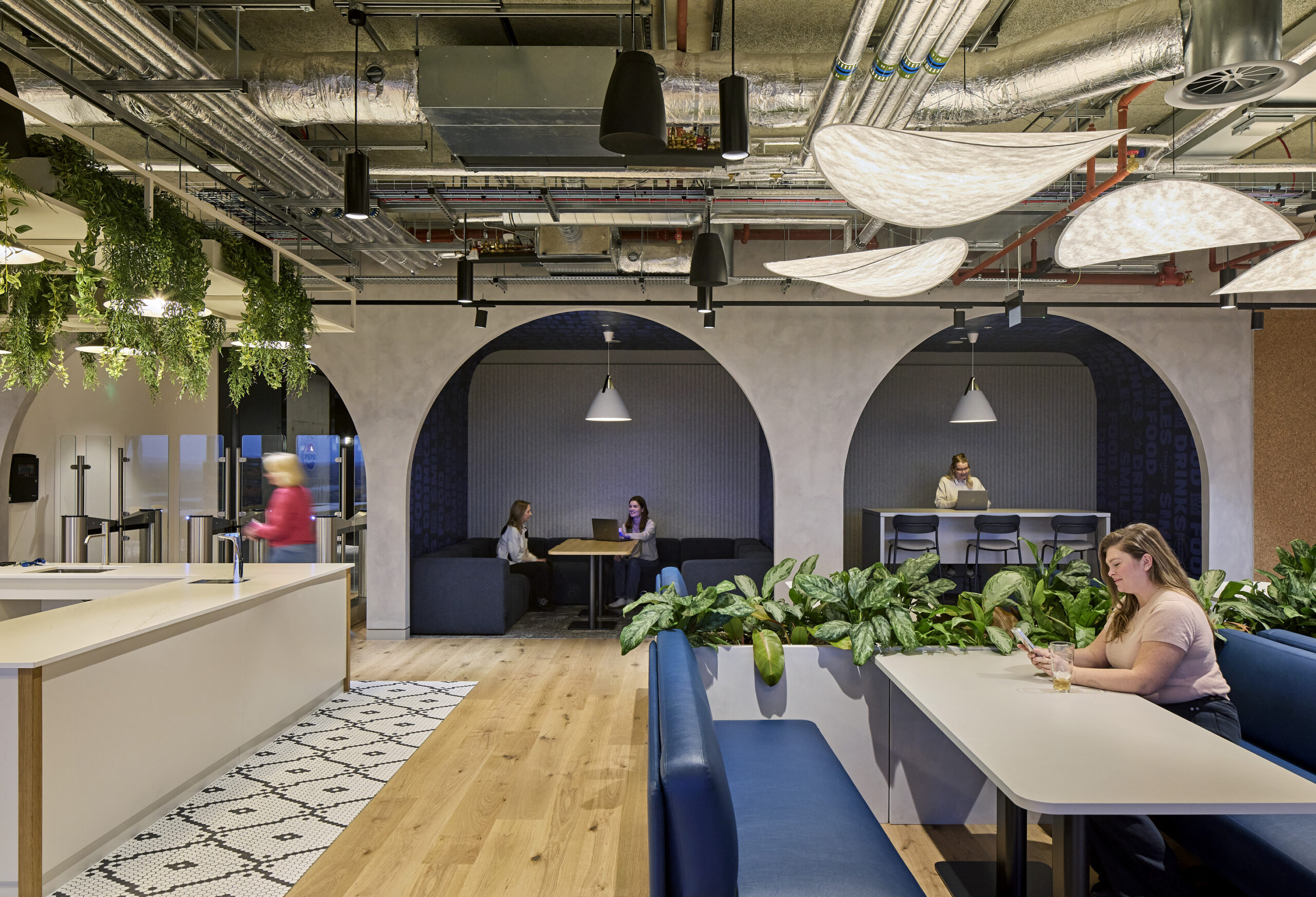
Consumer Goods Client, London, UK
Cultural and Social Sensitivity
Design also shapes how people feel about belonging. How comfortable someone feels in a space depends on layout, privacy, and signage. This can include offering private rooms alongside open seating, or providing restrooms that accommodate a wider range of needs. Inclusive interiors avoid assuming a single user type. Instead, they provide options. In doing so, they recognize that people interact with space in different ways.
Design That Offers Choice
Inclusive design often works best when it gives people control over their environment. A quiet corner, a space with softer lighting, or furniture that can be rearranged gives users a sense of agency. When people have options, they can use the space in ways that suits their needs without asking for special treatment.
A More Thoughtful Approach
Inclusive interior design does not follow a fixed style. Instead, it depends on listening to and observing the needs of the users and planning for difference. The result is not only a more usable space, but one that feels considered. When inclusion is part of the design process, more people can participate, stay engaged, and feel at ease.