Insight
What Is Cross-Laminated Timber (CLT)?
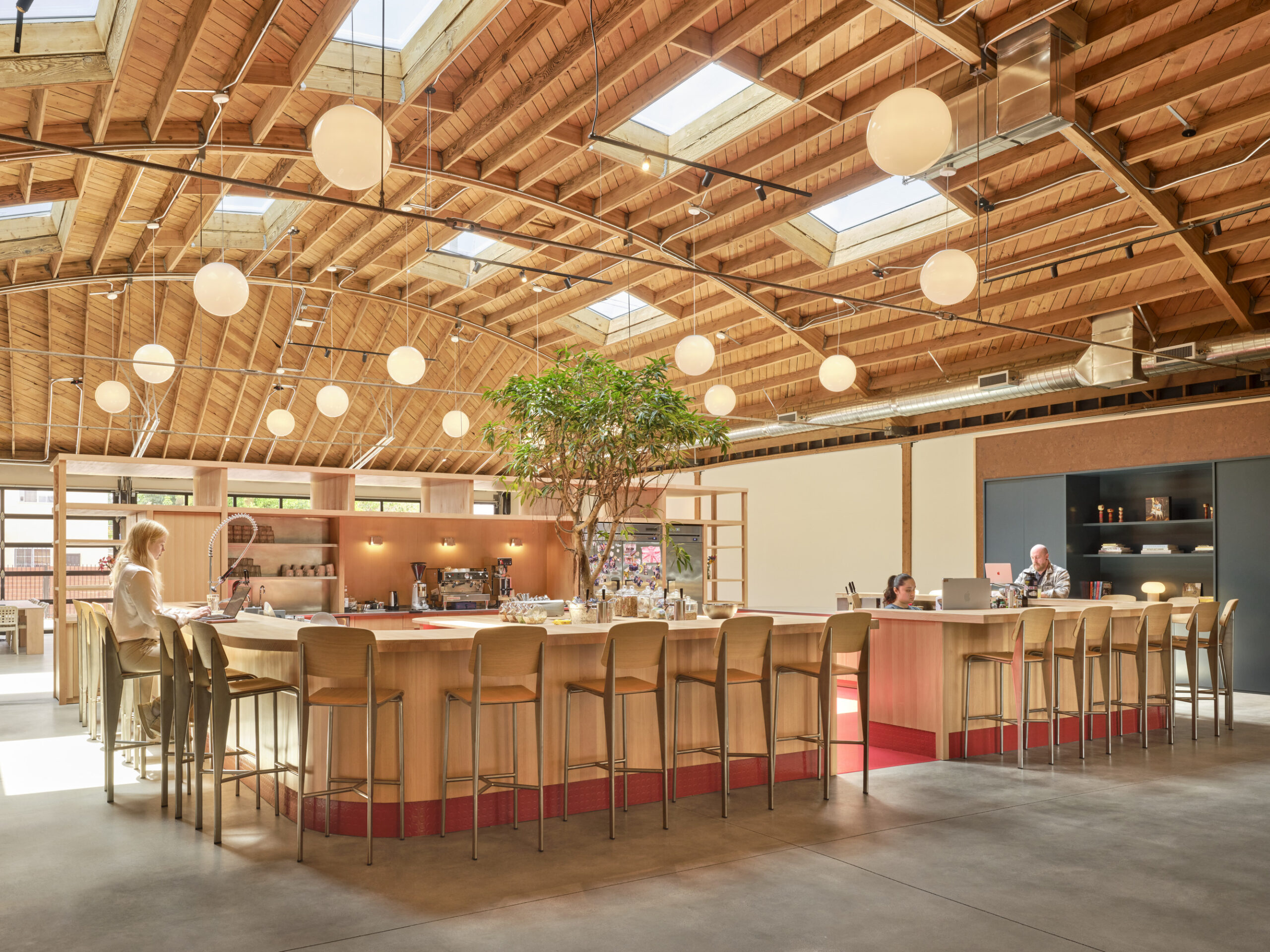
Cross-laminated timber, or CLT, is an engineered wood product made by layering boards at right angles and bonding them with structural adhesive. The result is a solid panel that can be used for walls, floors, and roofs. CLT has become a key material in the push for more sustainable and efficient building systems.
As interest in low-carbon construction grows, CLT is gaining attention for its strength, versatility, and environmental performance.
How CLT Works
Each CLT panel is made by stacking layers of lumber perpendicular to one another. This cross-laminated arrangement increases stability and allows the panel to carry load in two directions. Panels are fabricated off-site in a controlled environment, then delivered ready for assembly.
CLT can be cut with high precision using digital tools. Openings for windows, doors, and mechanical systems are often made before panels arrive on site. This level of preparation speeds up construction and reduces material waste.
Benefits of CLT in Construction
CLT offers several advantages. Its strength-to-weight ratio allows for tall and wide structures without relying on concrete or steel. The lighter weight also reduces the load on foundations and makes transportation easier.
Because CLT is prefabricated, buildings can go up faster. On-site work becomes more predictable, with fewer delays from weather or material shortages. This approach is useful in both new construction and urban infill projects where space and time are limited.
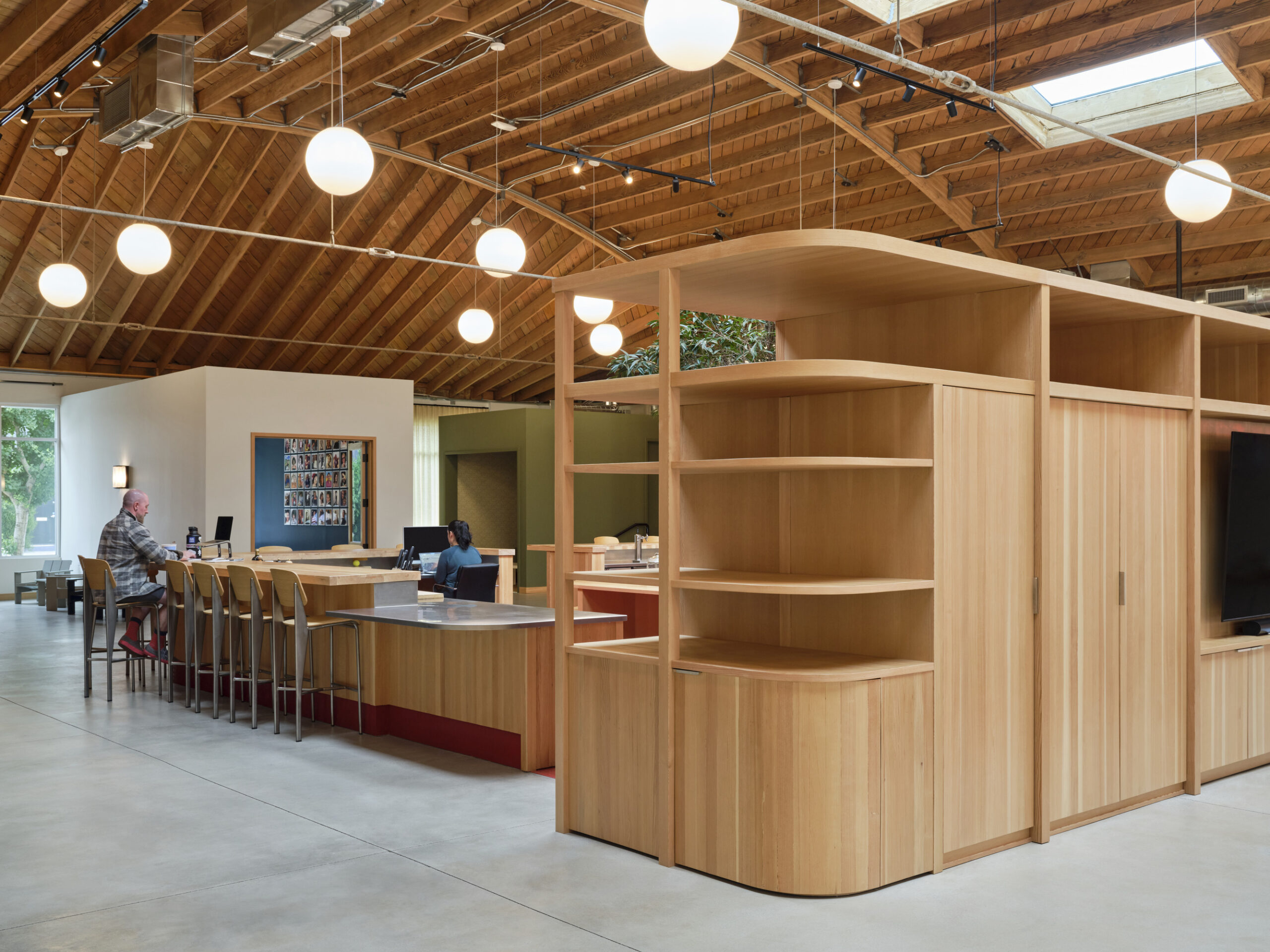
CLT also supports better indoor environments. Wood helps regulate moisture and adds a natural warmth to the interior. Many projects leave CLT surfaces exposed, which reduces the need for added finishes.
Environmental Considerations
Wood is a renewable resource, and when harvested from responsibly managed forests, CLT can lower the carbon footprint of a building. It stores carbon during its use and can be reused or recycled at the end of its life.
CLT construction also produces less waste than traditional methods. Since panels are cut to size before shipping, material use is more efficient, and fewer scraps are left behind.
A Growing Role in Architecture
CLT is being used in a wide range of projects—from schools and offices to mid-rise housing and civic buildings. As building codes evolve and designers look for low-impact alternatives, CLT is becoming part of the mainstream conversation around sustainable design and modern construction.
Its performance, flexibility, and reduced environmental impact make it a strong option for projects looking to balance design, speed, and responsibility.