Insight
Remote Work’s Impact on the Future of Building Design
Remote work has shifted from a temporary solution to a long-term reality for many organizations. This shift is not just changing how people work, but how buildings are designed to support that work. As expectations evolve, so do the spaces we build and adapt. As remote work reshapes daily routines, the design of offices, campuses, and homes is shifting in response. Buildings are now being planned with a stronger focus on adaptability and on how physical spaces support digital work and evolving user needs.
Rethinking the Role of the Office
The office is no longer the primary setting for all work. For many teams, its role has shifted toward supporting activities that benefit from being together in person. This change is influencing both the amount of space organizations need and how that space is designed.
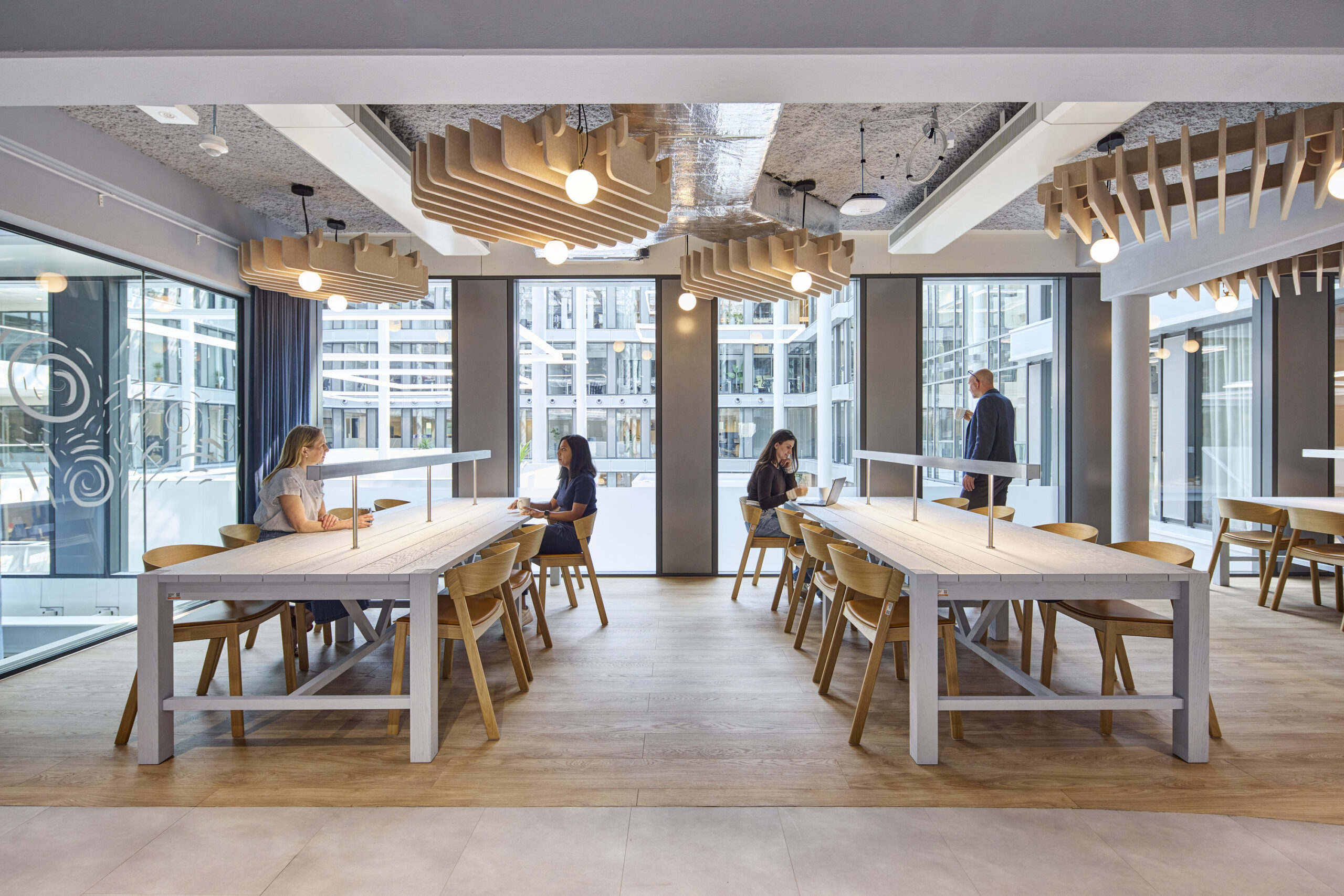
Workspaces that once prioritized individual desks are now being reconfigured to support group interaction and shared activities. Instead of planning for maximum occupancy every day, designers are thinking about how the office can support cycles of presence and absence throughout the week.
Blending Physical and Digital Experiences
As remote and hybrid models become standard, buildings are being designed to support both in-person and remote work. This shift requires more than adding technology. It involves creating spaces where digital collaboration is built into the way people interact and get work done.
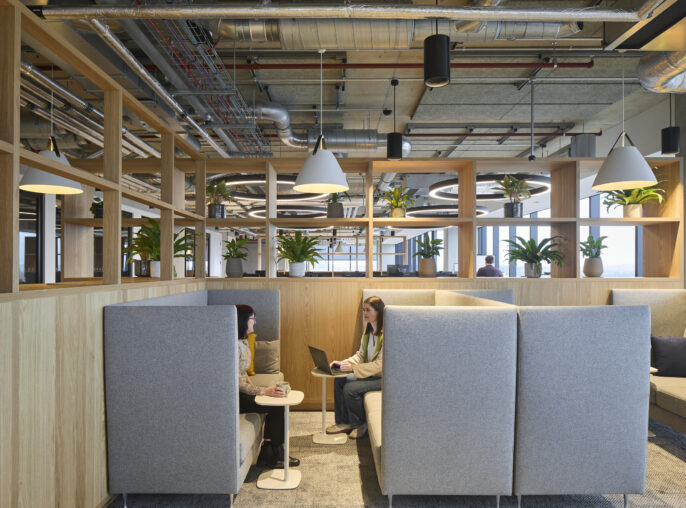
Designers are responding by creating environments that support both quiet focus and interactive work, often within the same footprint.
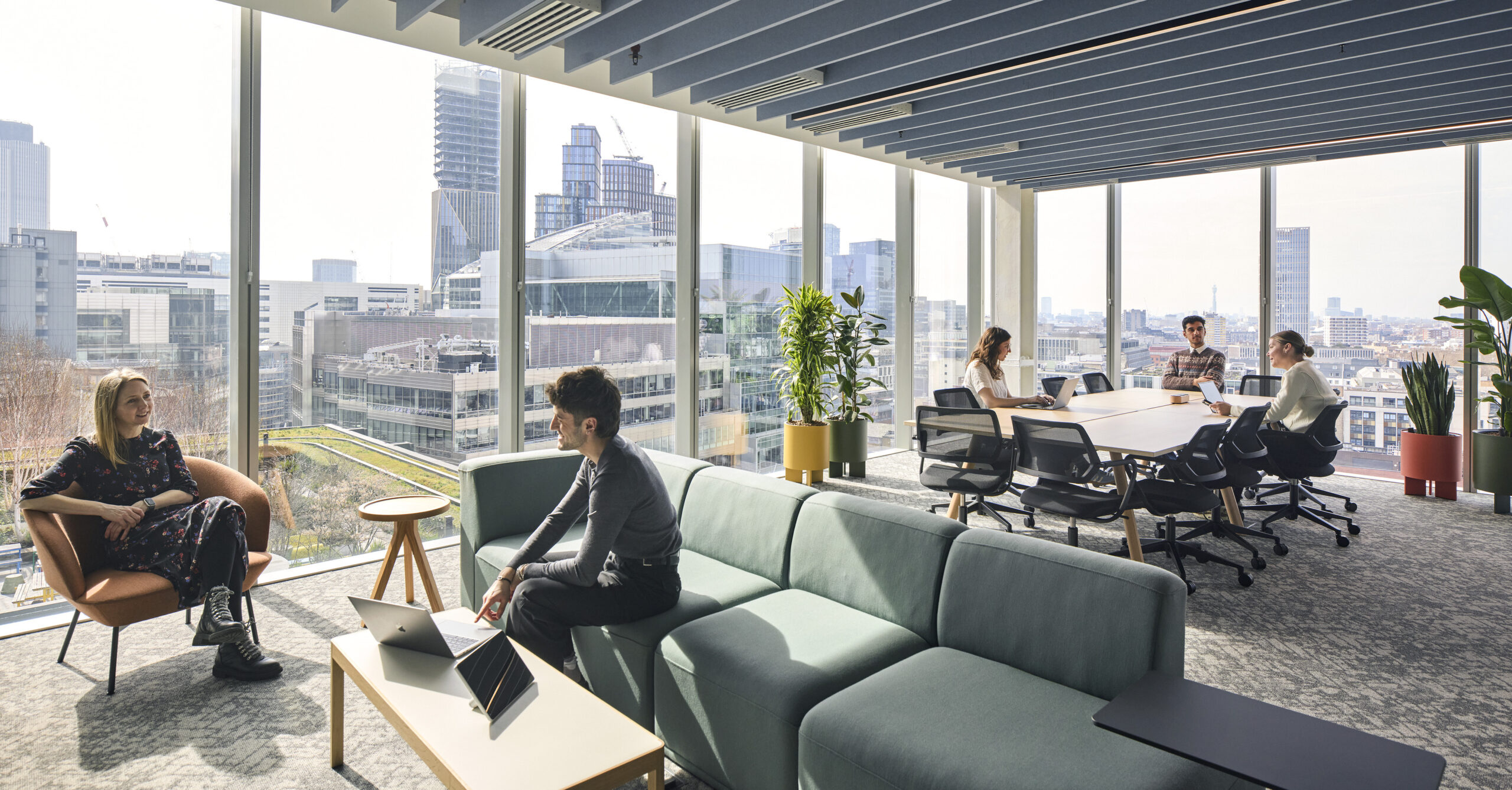
Global Technology Campus London The Stage
Smarter Use of Space
Remote work often leads to underused square footage. Instead of holding onto space that no longer serves its purpose, organizations are rethinking how to right-size and repurpose. Some may shift toward shared office models or reduce their physical footprint entirely, while others invest in flexible environments that can adapt over time.
This shift is leading to a new approach to planning, where the focus moves away from fixed assignments and toward a better understanding of how people use space throughout the day.
Building for a Changing Workforce
The future of building design is being reshaped by how people live and work across locations. Remote work has introduced new expectations, and buildings are adapting in response. When design responds to how people actually work, it can create spaces that strengthen focus, encourage meaningful interaction, and support the goals of a more flexible workplace.